Helping you choose wisely by revealing the depth of homeopathic education.

Introduction: Clearing the misconceptions
Many believe that a brief course or weekend seminar can teach one all they need to know about Homeopathy. Some people think the system itself must be easy since treatments are extremely diluted and typically available over the counter. In reality, professional homeopathic treatment is based on years of methodical study, clinical training, and supervised experience.
As in any other branch of medicine, sensible homeopathy starts with education, then practice and responsibility, and finally prescription. Knowing how homeopaths are educated enables individuals to choose wisely who they rely on for their health. Formal homeopathic education’s depth, breadth, and significance are plainly and practically dissected in this article.
Homeopathy as a medical discipline
Homeopathy is supposed to be a great skill. Its philosophy, clinical techniques, and therapeutic approach define it as a complete medicine system. Practicing it requires a solid knowledge of patient safety, disease processes, and the human body.
Homeopaths don’t simply match a medicine to a disease name; hence, structured learning is crucial. They evaluate the whole individual, physical, emotional, and mental elements, while also noting when a condition calls for medical treatment. This equilibrium gets dangerous without the right medical understanding. Proper education guarantees that homeopathic treatment is careful, moral, and rooted in a thorough knowledge of disease and health.
The foundation years: Basic medical sciences
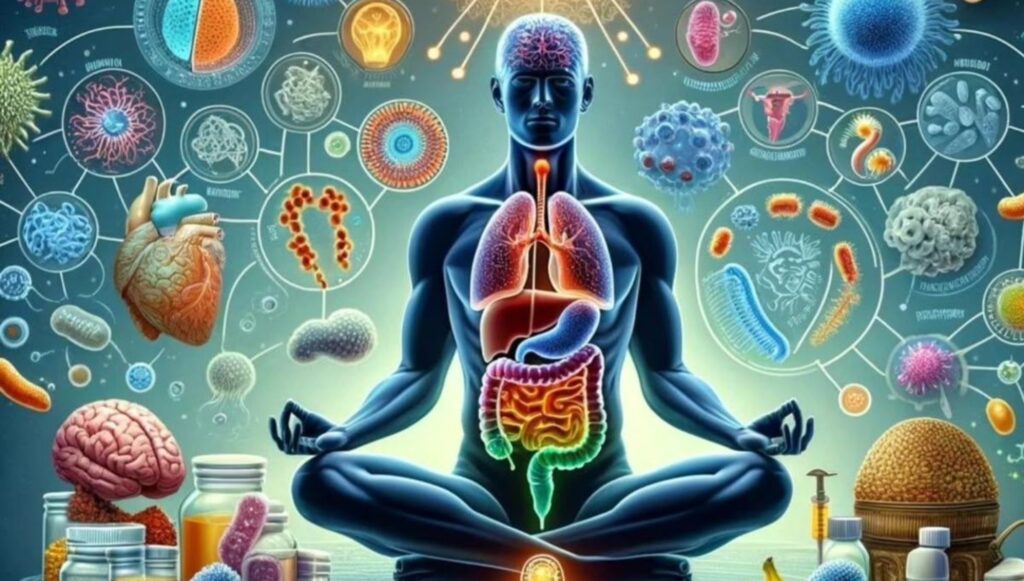
Much of homeopathic education is based on the same basic medical knowledge taught in other healthcare fields. Before they try to treat any illness, these courses enable future practitioners to grasp what is going on within the body.
- Anatomy: the structure of the human body, organs, tissues, and systems
- Physiology: how those systems and organs function
- Biochemistry: the chemical reactions that enable metabolism and cells to function.
- Pathology: Mechanisms of disease development and their effects on the body
- Microbiology and Immunology: how infections start, and the immune system reacts
- Embryology: Embryology is the branch of biology that studies the formation, growth, and development of an organism from fertilization to birth.
- Psychology:Psychology is the scientific study of human behavior, thoughts, emotions, and mental processes.
This foundation is quite important. A homeopath should be just as familiar with the disease process as the patient is with their symptoms. It ensures that treatment decisions are informed rather than hypothetical, encourages cautious practice, and helps to detect serious conditions.
Clinical and diagnostic knowledge
As the study advances, learning starts to center more on actual medical cases. The focus changes from only knowing how the body works to seeing how sickness really shows itself in people. During the clinical years thorough knowledge of following courses is required: Medicine, Surgery, Gynaecology, Obstetrics, Paediatrics, Community Medicine and Forensic Medicine and Toxicology.
They learn to spot symptom patterns and to grasp how illnesses usually advance. Learning to spot red flags that point to a major or emergency situation is a crucial component of this stage. Students are instructed to seek emergency or expert treatment right away for symptoms including abrupt neurological changes, abrupt breathing difficulties, or extreme chest discomfort.
Furthermore, they learn simple laboratory results and diagnostic findings, therefore improving their overall communication within the larger medical environment.

Homeopathic core subjects: The heart of the system
Once the medical base is established, students immerse themselves in the central topics specific to homeopathy.
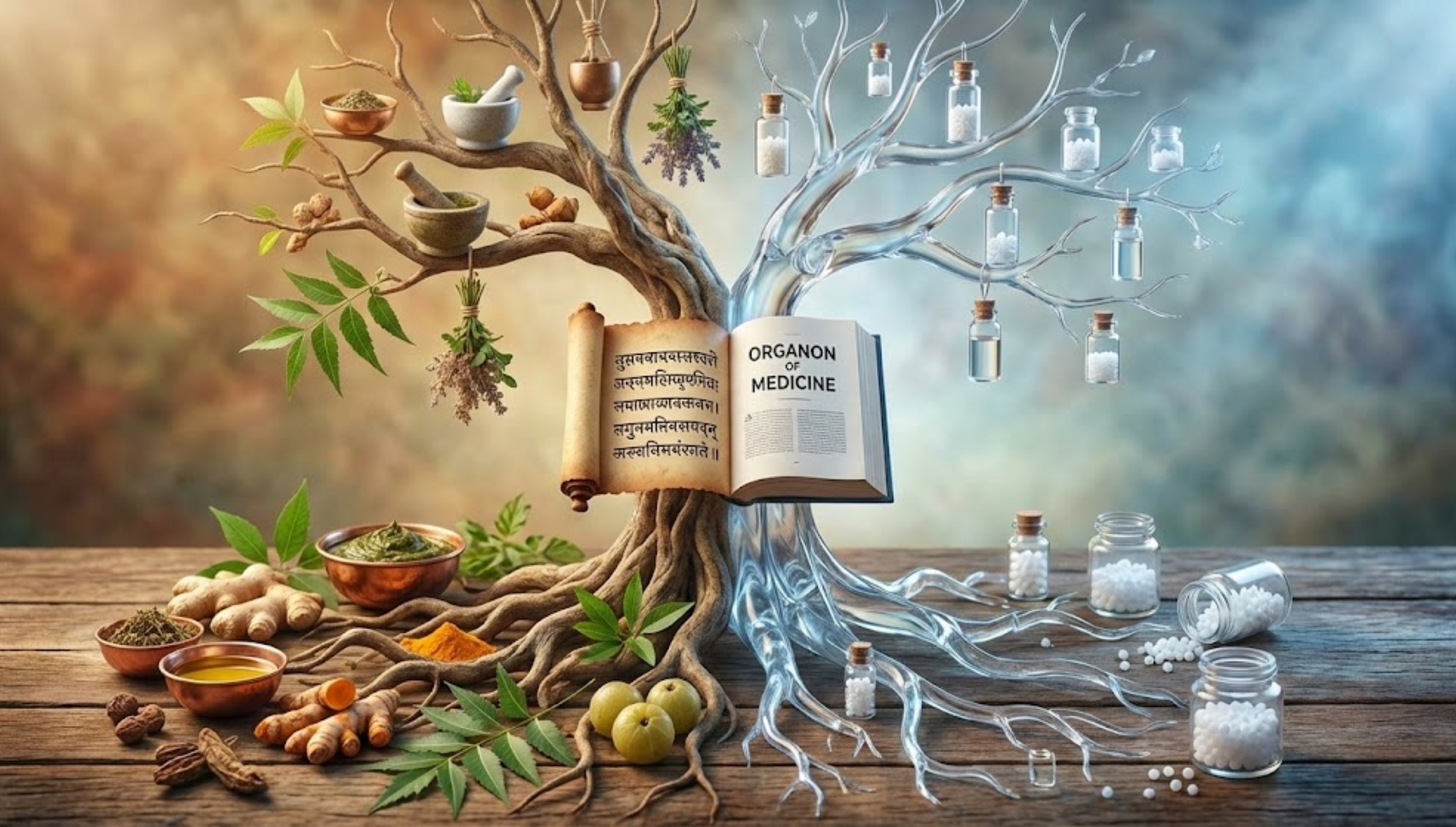
Organon of Medicine presents the philosophy and guiding principles of homeopathy, such as concepts on individualization, symptom total, and the connection between mind and body.
Materia medica is the thorough study of homeopathic remedies regarding their origins, individual symptom profiles, and clinical uses. Homopaths learn to view cures as “symptom pictures,” not merely names on a shelf.
Repertory instruction teaches how to choose a remedy methodically.
Case taking is the most important part. Homeopaths are taught to gather extensive information on physical symptoms, emotional trends, intellectual patterns, lifestyle, and personal background. Treatment is customized, hence two patients with the same diagnosis could receive varied therapy depending on their profiles.
Clinical training and internship
Learning goes beyond the classroom. Clinical training turns theoretical concepts into practical competence. Under supervision, students start to interact with patients, acquire knowledge on how to listen attentively, record cases meticulously, and conduct follow-ups over time.
They see several things throughout their clinical training. This involves how post-treatment symptoms evolve and how long-term illnesses change. Moreover, they also learn about how lifestyle and emotional elements affect health.
Supervised clinical practice or internship keeps patient safety while developing self-assurance. Mentors help students in professional communication, case analysis, and choice of therapy. This methodical, progressive change from textbooks to patients guarantees that novice doctors are not working alone or outside of their skills.
Advanced learning and continuous education
Many homeopaths pursue further education, graduate courses, or specialized training in fields like chronic disease control, or pediatrics.
Research involvement, too, is rising in relevance. Practitioners are advised to stay updated on advancements in integrative medicine, preventive care, and patient safety. Ongoing education updates clinical practice and enables improved interaction with other medical experts.
Homeopaths are expected, like all responsible healthcare professionals, to pursue lifelong learning.

Why short-term diplomas are not enough
Though short courses may cover fundamental ideas, they cannot take the role of thorough clinical and medical education. Learning a few medications by heart is quite different from grasping pathology, diagnostics, and patient safety.
Insufficient training raises the possibility of overlooking major disorders, providing improper guidance, or postponing required medical care. Ethical homeopathic treatment calls for depth rather than quick fixes. It requires clear boundaries on what homeopathy can and cannot accomplish, informed consent, and accountability for the patient’s welfare.
This implies that patients should seek treatment from professionals.
The Responsibility of being a Homeopath
Being a homeopath involves more than simply prescribing medicines. It means respectfully interacting with people, listening attentively, and operating within morally acceptable limits. Qualified practitioners appreciate the need for clear patient contact, referrals when appropriate, and cooperation.
Crucial components of this responsibility are clinical judgment. Homeopaths have to strike a balance between customized treatment and a knowledge of general health hazards. Patients often reveal personal, physical, and emotional information when they trust their doctors deeply. That trust is met with professionalism, skill, and integrity.
Conclusion: Respecting the science and the study
So the next time someone asks, “What does a homeopath really study?” the answer is not simple, because the journey is not simple.
Homeopathy demands years of disciplined, structured study as well as commitment. Every professional practitioner has a great education in medical sciences, clinical abilities, and homeopathic theory.
Knowing this training promotes confidence and motivates individuals looking for complementary or integrative care to make wise decisions. Under ideal conditions, by qualified experts, homeopathy is a serious medical discipline guided by research, supervision, and a long-term devotion to patient well-being, not casual or superficial.
References
- National Center for Complementary and Integrative Health. (2021, April). Homeopathy: What you need to know. National Institutes of Health. https://www.nccih.nih.gov/health/homeopathy?utm_source=chatgpt.com
- National Center for Complementary and Integrative Health. (2021, April). Complementary, alternative, or integrative health: What’s in a name? National Institutes of Health. https://www.nccih.nih.gov/health/complementary-alternative-or-integrative-health-whats-in-a-name
- National Library of Medicine. (2019). Anatomy (Collection Development Guidelines of the National Library of Medicine) [Internet]. National Center for Biotechnology Information. https://www.ncbi.nlm.nih.gov/books/NBK518733/
- Libretti, S., & Puckett, Y. (2025). Physiology, homeostasis. In StatPearls [Internet]. StatPearls Publishing. https://www.ncbi.nlm.nih.gov/books/NBK559138/
- Litwack, G. (2018). Introduction. In G. Litwack (Ed.), Human biochemistry (pp. xv–xvi). Academic Press. https://doi.org/10.1016/B978-0-12-383864-3.00036-3
- Funkhouser, W. K. (2020). Pathology: The clinical description of human disease. In W. B. Coleman & G. J. Tsongalis (Eds.), Essential concepts in molecular pathology (pp. 177–190). Elsevier. https://www.ncbi.nlm.nih.gov/pmc/articles/PMC7380242/
- Shrivastava, R. (2024). Understanding homeopathy: A review of its principles, practices, and integration into modern medicine. ShodhKosh: Journal of Visual and Performing Arts, 5. Researchgate.net. Retrieved January 29, 2026, from https://www.researchgate.net/publication/389675037_UNDERSTANDING_HOMEOPATHY_A_REVIEW_OF_ITS_PRINCIPLES_PRACTICES_AND_INTEGRATION_INTO_MODERN_MEDICINE
- Vickers, A., & Zollman, C. (1999). ABC of complementary medicine. Homoeopathy. BMJ (Clinical Research Ed.), 319(7217), 1115–1118. https://doi.org/10.1136/bmj.319.7217.1115
- Sung, T.-C., Shih, H.-I., Kawaguchi, T., Chi, C.-H., & Hsu, H.-C. (2025). Tracking clinical competency growth: A longitudinal study of medical students in a multidisciplinary emergency department internship program. Journal of Multidisciplinary Healthcare, 18, 3877–3890. https://doi.org/10.2147/JMDH.S530887
- Forsetlund, L., O’Brien, M. A., Forsén, L., Reinar, L. M., Okwen, M. P., Horsley, T., & Rose, C. J. (2021). Continuing education meetings and workshops: effects on professional practice and healthcare outcomes. Cochrane Database of Systematic Reviews, 9(9), CD003030. https://doi.org/10.1002/14651858.CD003030.pub3
- Schmacke, N., Müller, V., & Stamer, M. (2014). What is it about homeopathy that patients value? And what can family medicine learn from this? Quality in Primary Care, 22(1), 17–24. https://pubmed.ncbi.nlm.nih.gov/24589147/
Book a Consultation
It’s easy and free!