
Understand autism through a holistic lens. Here is an integrative way that is compassionate to care for overall well-being.
Introduction: Understanding Autism in today’s world
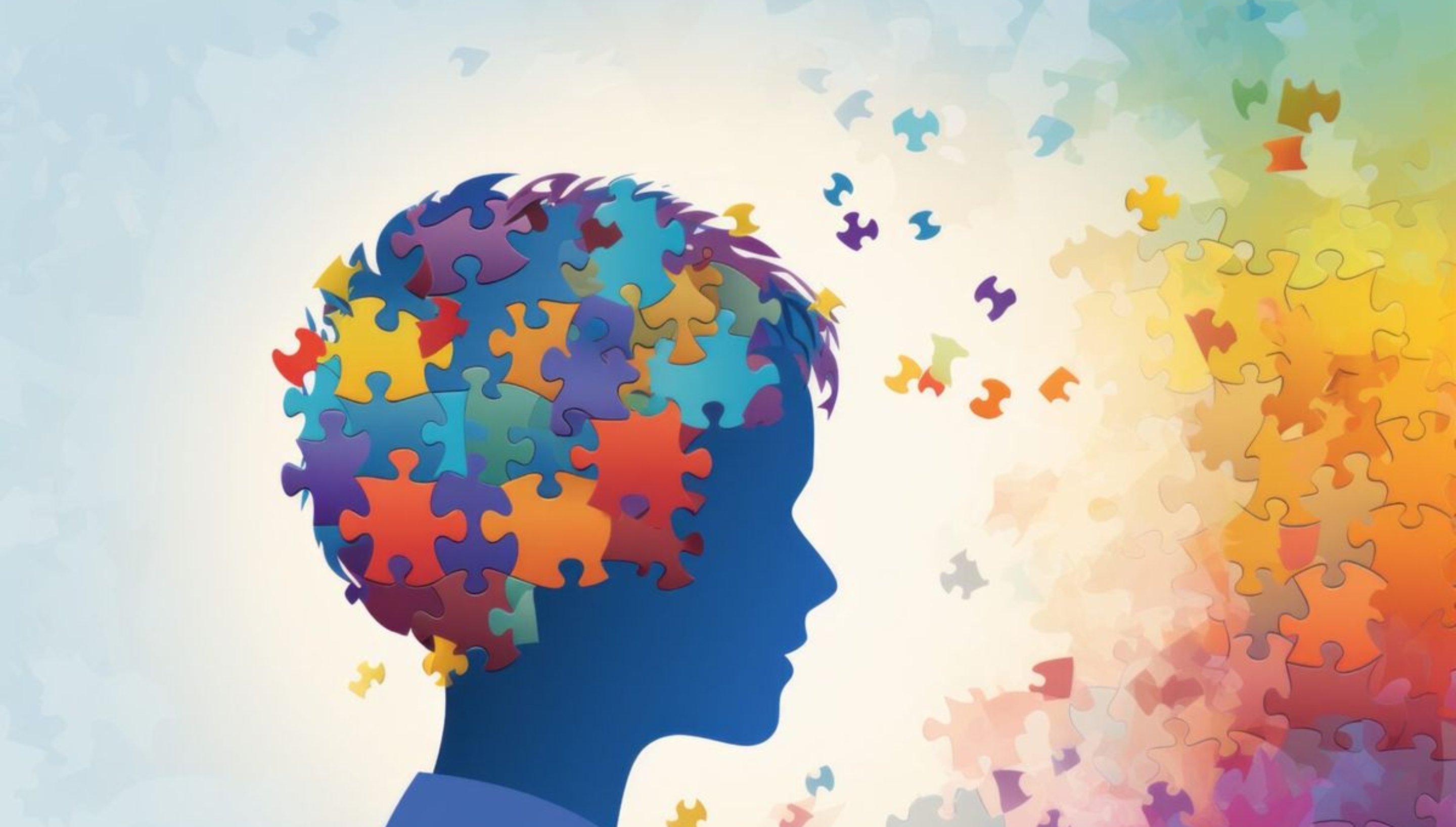
Awareness of Autism Spectrum Disorder (ASD) has increased significantly, leading parents to become more attentive to early signs of autism in their children. This growing awareness is a key reason why many families are now seeking early autism assessment and intervention. Autism is a neurodevelopmental condition that can affect behaviour, speech, communication, and social interaction. However, every child experiences autism differently, as each individual has unique strengths and challenges. As a result, parents are increasingly exploring supportive and holistic approaches to autism care. Family-centered care plays a vital role by supporting both children and their caregivers, helping families manage daily life with greater confidence and understanding.
What is Autism Spectrum Disorder?
Autism Spectrum Disorder (ASD) is referred to as a spectrum because it presents differently in every individual. Some children are verbal and express themselves through speech, while others may rely on nonverbal communication to share their thoughts and needs. Each child with autism has a unique way of interacting, communicating, and responding to sensory experiences. Autism typically begins in early childhood, with signs emerging gradually over time. The purpose of early identification is not to label a child, but to better understand their individual needs. A supportive approach focuses on nurturing healthy development, building on strengths, and creating an environment where every child feels safe, respected, and understood.
Common characteristics seen in Autism
Some children with Autism Spectrum Disorder (ASD) communicate using spoken words, while others rely on gestures, expressions, or alternative forms of communication. Social situations can be challenging, particularly when it comes to understanding emotions, facial expressions, and social cues. Many children with autism show a strong preference for routine and repetitive behaviours, as these patterns offer a sense of comfort, structure, and predictability.
Children on the autism spectrum often experience sensory sensitivities, making them more reactive to sound, light, touch, textures, and certain foods. At times, difficulty processing emotions can lead to emotional overwhelm, meltdowns, or frustration. In addition, some children may experience associated challenges such as sleep disturbances and digestive concerns, which can further affect daily functioning and overall well-being.
Why a holistic perspective matters in Autism
A holistic perspective is helpful for autism because it affects more than one aspect of health. Physical well-being, emotions, sensory comfort, and daily routines are connected with each other. Behaviour and attention are affected by digestive health and sleep patterns. Increased sensitivity also increases stress and emotional reactions in the child. Holistic care looks beyond symptoms. It aims to improve overall comfort and adaptability. Supporting caregivers is equally important. A stress-free family environment has a positive impact on the child. When care addresses the whole person rather than individual challenges alone, it helps create stability. Moreover it also improve daily experiences, and supports long-term wellbeing.
Role of Integrative Care and Homeopathy in Autism support
Integrative care in autism focuses on the whole child. It does so by keeping the individual differences in mind. It combines physical health, emotional well-being, sensory comfort, and developmental needs of the child. Homeopathy is used as a complementary approach within integrative care.
Homeopathic care
Homeopathy is an individualized, complementary therapeutic approach that focuses on the regulation of functional imbalances rather than disease labeling. In the context of Autism Spectrum Disorder (ASD), which is understood as a complex neurodevelopmental condition influenced by genetic susceptibility, epigenetic modulation, and environmental factors, individualized homeopathic care aims to support adaptive physiological responses. Emerging evidence from observational studies, clinical outcome reports, and integrative medicine research suggests that homeopathy may assist in addressing associated functional concerns such as neuroimmune dysregulation, autonomic imbalance, gastrointestinal disturbances linked to the gut–brain axis, sleep irregularities, sensory processing challenges, and emotional regulation difficulties. From a systems biology perspective, homeopathic intervention seeks to enhance self-regulatory capacity and stress adaptability, potentially influencing epigenetic expression through improved internal homeostasis. When used alongside conventional developmental, behavioural, and educational interventions, homeopathy may contribute to improved functional well-being, resilience, and caregiver-reported quality-of-life outcomes, while remaining within the framework of complementary and integrative healthcare as recognized in Canada.
Behavioural and developmental therapies
Speech therapy, occupational therapy, sensory integration, and behavioural methods contribute to improving communication, daily skills, and adaptability.
Nutrition and lifestyle support
Nutritional support is helpful in food sensitivities that affect behaviour and energy levels. Further stability is ensured with structured routines, regular sleep patterns, and physical activity.
Emotional and family support
Parents and caregivers are guided on coping strategies. Stress management is equally important for caregivers as it is for the child.
Lifestyle and environmental support
Autism care is all about creating a supportive environment by combining these practical approaches. Fixed routines and daily timetables help manage well. With this, the child knows what to expect, which gives a sense of safety and reduces anxiety. Going to bed on time and waking up at a fixed time helps children focus better. It also supports physical health, memory, and learning. A sensory-friendly environment is important for the child. Use dimmable lights, soft fabrics and create quiet spaces. Small adjustments reduce overstimulation. It keeps the child calm. Make small dietary adjustments from time to time. Watch for any changes in the diet preferences. Do remember that digestive discomfort can influence mood and behaviour. Apart from all this, a calm and supportive caregiver benefits the whole family by creating a more relaxed home environment.
Supporting emotional and social well-being
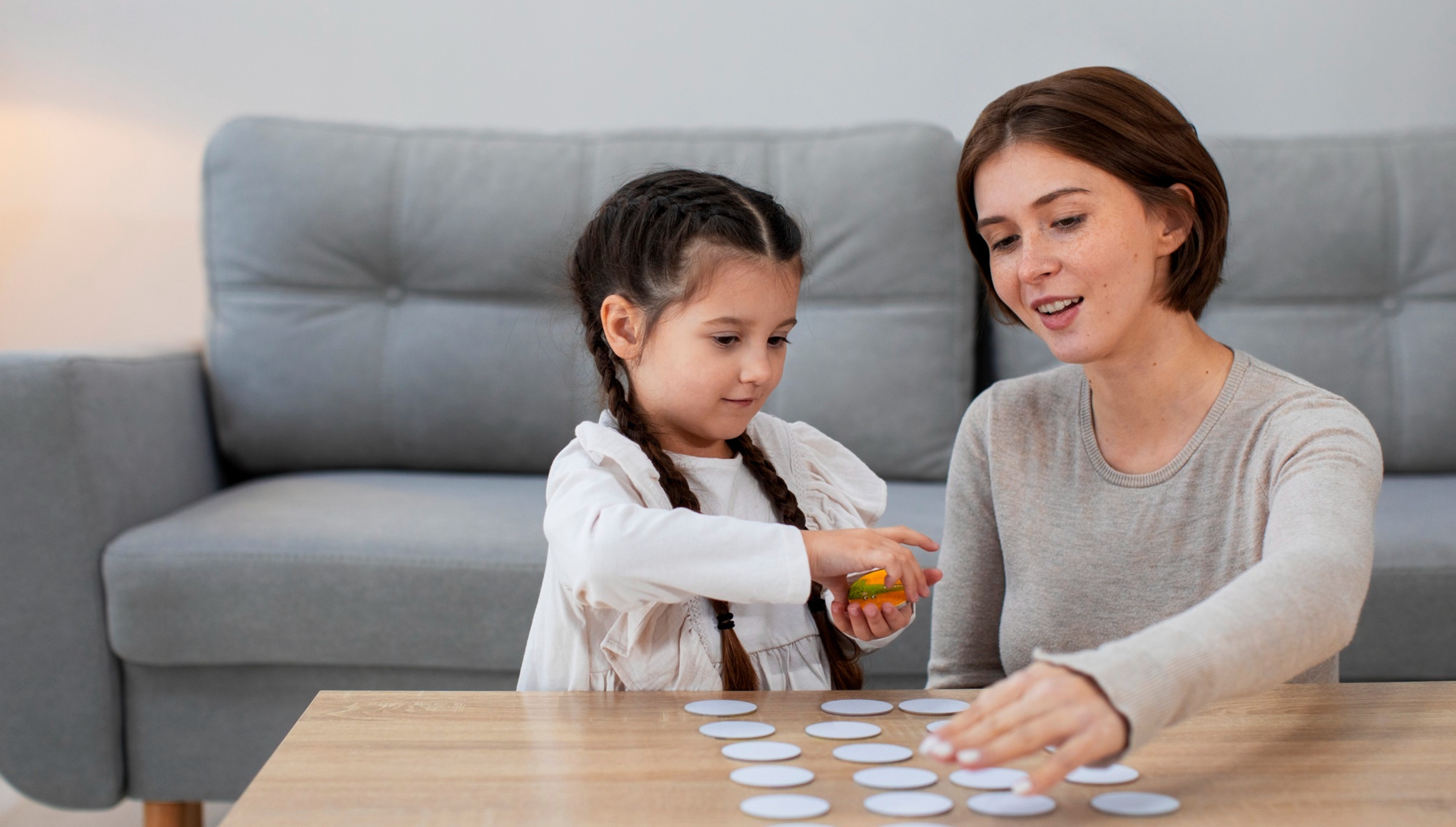
For healthy development, emotional safety is very important. Parents’ involvement has a bigger role in the overall development of the child. This is because the needs of the child are best understood by the family. Trust is built over time with patience, consistency, and understanding. Praise the child. It develops self-worth, confidence, and motivation in them. Encourage good behaviour or skills by rewarding the child. It develops emotional intelligence and social skills. Gentle guidance allows the kid to learn things at their own pace. With a sanctuary of holistic wellness at LifeCare Wellness Centre, the child learns to express freely and develops a meaningful connection with you over time.
Working with a multidisciplinary care team
A multi-disciplinary team support is the most effective way in Autism care. The child’s changing needs are worked upon by the Pediatricians, therapists, educators, and caregivers working together. Each professional contributes unique expertise. However, parents are key players in making decisions. Homeopathy plays a complementary role here. As needs change over time, individualized care plans are important. For effective and relevant support, it is important to observe the child regularly. A child develops skill, confidence and stability with a long-term team effort approach.
Conclusion: Compassionate, individualized support for Autism
Autism is a different way of experiencing the world and not a limitation. Children with autism should be understood, accepted, and valued. Comfort, strengths, and family well-being come from compassionate and individualized care. This improves the quality of life for everyone involved in the journey. Homeopathy serves as a gentle option as one part of the care plan. At LifeCare Wellness Centre, a nurturing environment allows children on the spectrum to grow, adapt, and thrive.
References
- Alsehemi, M. A., Abousaadah, M. M., Sairafi, R. A., & Jan, M. M. (2017). Public awareness of autism spectrum disorder. Neurosciences (Riyadh, Saudi Arabia), 22(3), 213–215. https://doi.org/10.17712/nsj.2017.3.20160525
- Autism spectrum disorder. (n.d.). National Institute of Mental Health (NIMH). Retrieved January 15, 2026, from https://www.nimh.nih.gov/health/topics/autism-spectrum-disorders-asd
- Halder, S., Bruyere, S. M., & Gower, W. S. (2024). Understanding strengths and challenges of people with autism: insights from parents and practitioners. International Journal of Developmental Disabilities, 70(1), 74–88. https://doi.org/10.1080/20473869.2022.2058781
- Autism spectrum disorder. (n.d.). National Institute of Mental Health (NIMH). Retrieved January 15, 2026, from https://www.nimh.nih.gov/health/publications/autism-spectrum-disorder
- Flickr, F. us on. (n.d.). When do children usually show symptoms of autism? Https://www.nichd.nih.gov/. Retrieved January 15, 2026, from https://www.nichd.nih.gov/health/topics/autism/conditioninfo/symptoms-appear
- Autism spectrum disorder: Communication problems in children. (n.d.). NIDCD. Retrieved January 15, 2026, from https://www.nidcd.nih.gov/health/autism-spectrum-disorder-communication-problems-children
- Montaser, J., Umeano, L., Pujari, H. P., Nasiri, S. M. Z., Parisapogu, A., Shah, A., & Khan, S. (2023). Correlations between the development of social anxiety and individuals with autism spectrum disorder: A systematic review. Cureus, 15(9), e44841. https://doi.org/10.7759/cureus.44841
- Caldwell-Harris, C. L. (2021). An explanation for repetitive motor behaviors in autism: Facilitating inventions via trial-and-error discovery. Frontiers in Psychiatry, 12, 657774. https://doi.org/10.3389/fpsyt.2021.657774
- Balasco, L., Provenzano, G., & Bozzi, Y. (2019). Sensory abnormalities in autism spectrum disorders: A focus on the tactile domain, from genetic mouse models to the clinic. Frontiers in Psychiatry, 10, 1016. https://doi.org/10.3389/fpsyt.2019.01016
- Williams, Z. J., He, J. L., Cascio, C. J., & Woynaroski, T. G. (2021). A review of decreased sound tolerance in autism: Definitions, phenomenology, and potential mechanisms. Neuroscience and Biobehavioral Reviews, 121, 1–17. https://doi.org/10.1016/j.neubiorev.2020.11.030
- Hastings, S. E., Hastings, R. P., Swales, M. A., & Hughes, J. C. (2022). Emotional and behavioural problems of children with autism spectrum disorder attending mainstream schools. International Journal of Developmental Disabilities, 68(5), 633–640. https://doi.org/10.1080/20473869.2020
- Al-Beltagi, M., Saeed, N. K., Bediwy, A. S., Elbeltagi, R., & Alhawamdeh, R. (2023). Role of gastrointestinal health in managing children with autism spectrum disorder. World Journal of Clinical Pediatrics, 12(4), 171–196. https://doi.org/10.5409/wjcp.v12.i4.171
- Cohen, S., Conduit, R., Lockley, S. W., Rajaratnam, S. M., & Cornish, K. M. (2014). The relationship between sleep and behavior in autism spectrum disorder (ASD): a review. Journal of Neurodevelopmental Disorders, 6(1), 44. https://doi.org/10.1186/1866-1955-6-44
- Mendes-Sousa, M. M., Perrone, M. B., de Melo, R. B., Ribeiro, M. V. V., Chao, Q., Torres, C., Sanchez, Z. M., Surkan, P. J., Martins, S. S., Fidalgo, T. M., & Caetano, S. C. (2025). The impact of family stress and resilience on child development: a scoping review. Trends in Psychiatry and Psychotherapy, 47, e20220556. https://doi.org/10.47626/2237-6089-2022-0556
- Klein, N., & Kemper, K. J. (2016). Integrative approaches to caring for children with autism. Current Problems in Pediatric and Adolescent Health Care, 46(6), 195–201. https://doi.org/10.1016/j.cppeds.2015.12
- Osman, H. A., Haridi, M., Gonzalez, N. A., Dayo, S. M., Fatima, U., Sheikh, A., Puvvada, C. S., Soomro, F. H., & Khan, S. (2023). A systematic review of the efficacy of early initiation of speech therapy and its positive impact on autism spectrum disorder. Cureus, 15(3), e35930. https://doi.org/10.7759/cureus.35930
- Jaicks, C. C. D. (2024). Evaluating the benefits of occupational therapy in children with autism spectrum disorder using the Autism Behavior Checklist. Cureus, 16(7), e64012. https://doi.org/10.7759/cureus.64012
- Al-Beltagi, M. (2024). Nutritional management and autism spectrum disorder: A systematic review. World Journal of Clinical Pediatrics, 13(4), 99649. https://doi.org/10.5409/wjcp.v13.i4.99649
- Sánchez Amate, J. J., & Luque de la Rosa, A. (2024). The effect of Autism Spectrum Disorder on family mental health: Challenges, emotional impact, and coping strategies. Brain Sciences, 14(11), 1116. https://doi.org/10.3390/brainsci14111116
- Kahveci, G., Çaylak, E., & Kara, D. N. (2024). The effect of the home environment on children with autism spectrum disorder. International Journal of Developmental Neuroscience, 84, 14–21. https://doi.org/10.1002/jdn.10304
- Pérez-Cabral, I. D., Bernal-Mercado, A. T., Islas-Rubio, A. R., Suárez-Jiménez, G. M., Robles-García, M. Á., Puebla-Duarte, A. L., & Del-Toro-Sánchez, C. L. (2024). Exploring dietary interventions in autism spectrum disorder. Foods, 13(18), 3010. https://doi.org/10.3390/foods13183010
- Mazefsky, C. A., & White, S. W. (2014). Emotion regulation: concepts & practice in autism spectrum disorder. Child and Adolescent Psychiatric Clinics of North America, 23(1), 15–24. https://doi.org/10.1016/j.chc.2013.07.002
- Strunk, J., Leisen, M., & Schubert, C. (2017). Using a multidisciplinary approach with children diagnosed with autism spectrum disorder. Journal of Interprofessional Education & Practice, 8, 60–68. https://doi.org/10.1016/j.xjep.2017.03.009
- Lofthouse, N., Hendren, R., Hurt, E., Arnold, L. E., & Butter, E. (2012). A review of complementary and alternative treatments for autism spectrum disorders. Autism Research and Treatment, 2012, 870391. https://doi.org/10.1155/2012/870391
Book a Consultation
It’s easy and free!